

Fabrikverkaufspreis 99,85 % 99,99 % Sb Hochreines Antimon Silber Weißer Antimonbarren Preis


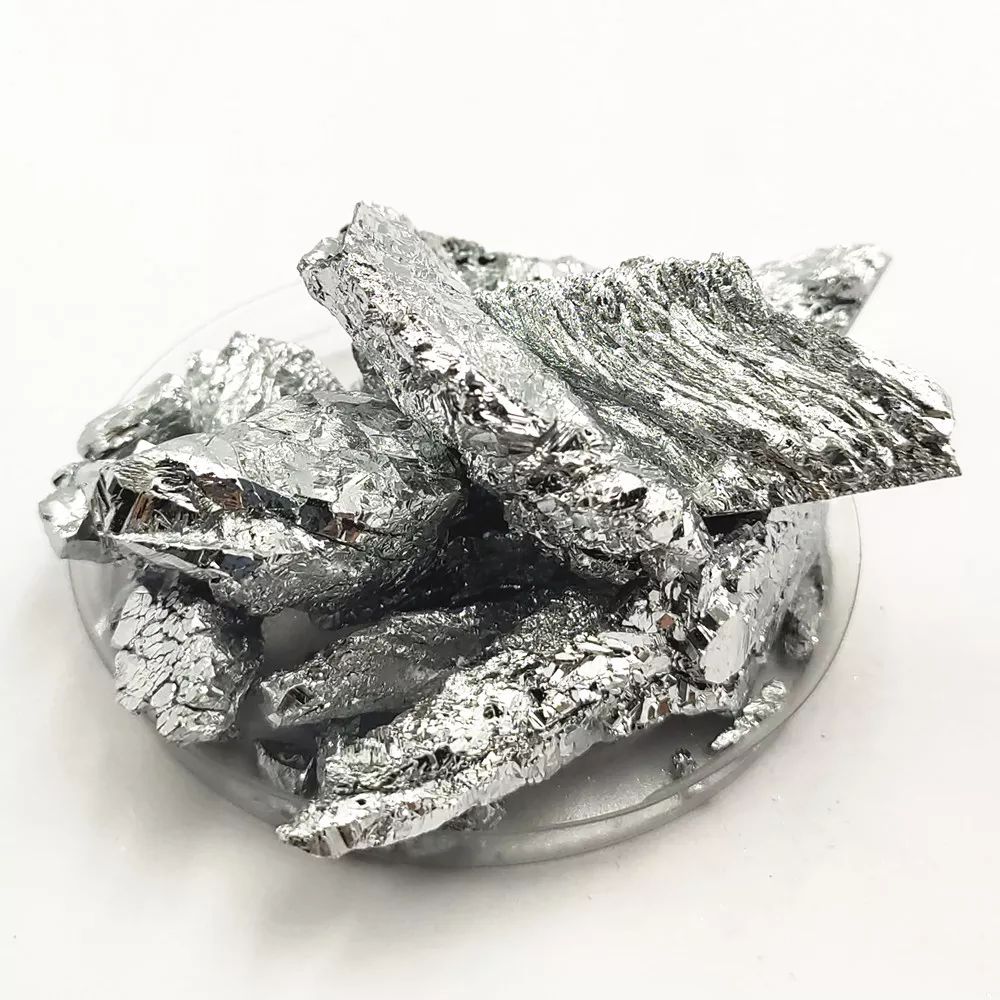
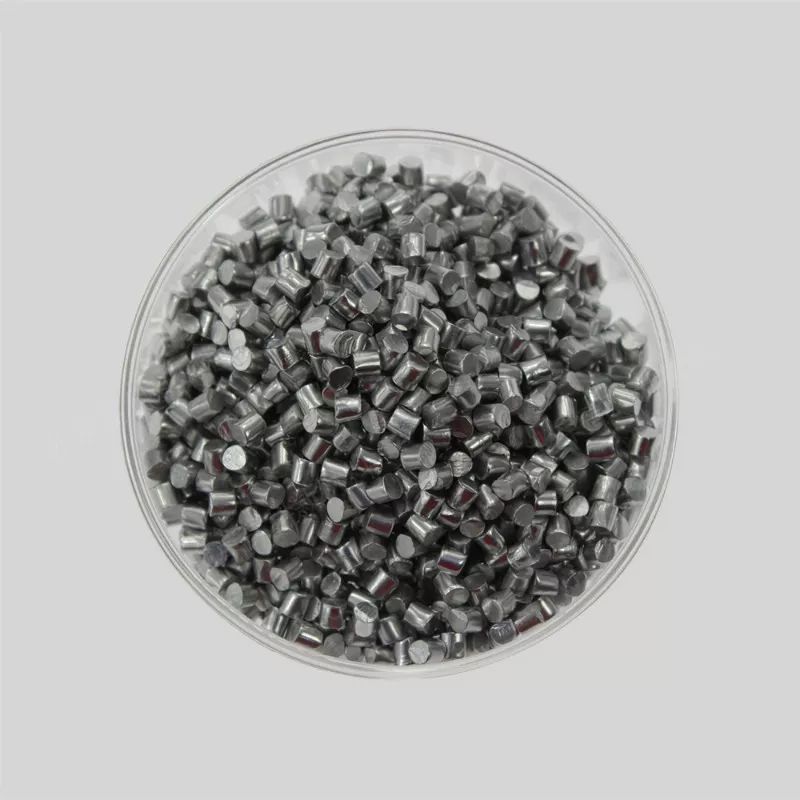
| Sb Antimon | |||
 | Physikalische Eigenschaften: Ordnungszahl 51, Atomgewicht 121,75. Dichte 6,68 g/cm³, Schmelzpunkt 630,5 °C, Siedepunkt 1750 °C. Silberweißes Metall. | ||
| Chemische Eigenschaften: Antimon oxidiert bei Raumtemperatur nur schwer, außer bei hohen Temperaturen, und weist zudem eine gute Korrosionsbeständigkeit auf. Es reagiert chemisch mit Fluor, Chlor und Brom. Gleichzeitig ist es in heißer Salpetersäure leicht löslich und reagiert mit heißer Schwefelsäure. | |||
| Spezifikation | Sb-5N (99,999 %) | Sb-6N (99,9999 %) | Sb-7N (99,99999 %) |
| Gesamtgehalt an Verunreinigungen | ≤10 ppm | ≤1 ppm | ≤0,1 ppm |
| Anwendung | Wird zur Herstellung von chemischen Verbindungshalbleitern der Elemente III-V, hochreinen Legierungen, elektronischen Kühlzellenmaterialien und Germanium sowie als Dotierstoff für monokristallines Silizium verwendet. | ||
Schreiben Sie hier Ihre Nachricht und senden Sie sie uns.


